Patrick invites Tom to regular sittings for the portrait project
My PolicemanPatrick Hazlewood invites Tom Burgess to regular sittings for a portrait project, but the invitation’s significance lies in the gap between its public rationale and its private purpose. Patrick presents the proposal as a museum initiative to depict ordinary people; the narrative later identifies that project as fictitious. What begins as a bid to secure Tom’s time becomes a recurring arrangement, and Patrick’s insistence on getting acquainted before drawing makes the meetings themselves more important than the promised portrait.
The Invitation and Its Rationale
Patrick has been hoping to encounter Tom again. When he recognizes the policeman by the sound of his pipe, surprise makes him turn around and ask Tom to call him Patrick. Tom’s grin and attentive manner encourage Patrick to continue. Walking beside him, Patrick describes a project about images of ordinary people, including grocers, postmen, farmers, shop girls, and policemen. He proposes Tom as a suitable subject for studies from life, to be compared with earlier portraits.
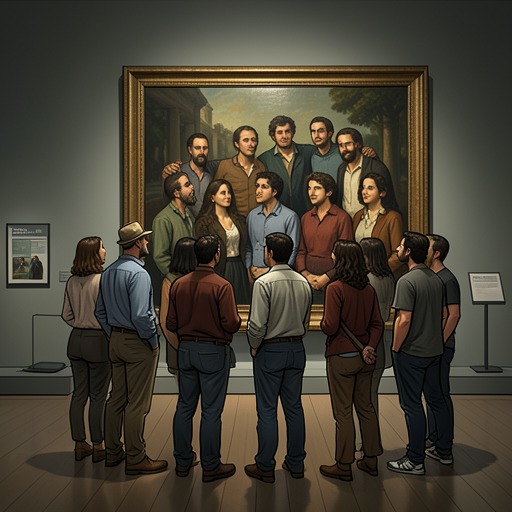
Patrick gives the proposal a civic and institutional purpose. He says the museum needs pictures of ordinary Brighton people rather than what he dismisses as conventional, socially elevated subjects. Showing visitors people like themselves, he argues, might encourage them to enter the museum. The appeal is carefully framed as an effort to make the institution more welcoming and representative, not as a personal request for Tom’s company.
Tom asks what taking part would involve. Patrick says that Tom would only need to sit while he drew, for a few hours at the museum, and presents the choice as entirely Tom’s. Tom then removes his helmet. Patrick notices his hair, the shape of his head, and the line left by the helmet; Tom rubs at the mark before putting it back on. This brief attention to Tom’s appearance sits beside the formal language of the proposal, exposing the personal interest that the museum rationale cannot fully contain.
Tom’s Agreement
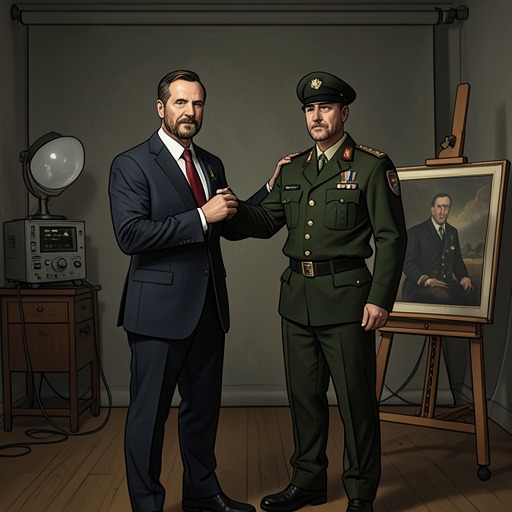
Tom asks whether his picture might actually be displayed in the museum. Patrick answers that it might, without making a firm promise. Tom agrees to take part, and they shake hands, arrange a date, and part. The handshake turns an improvised approach into a practical commitment: Patrick has secured another meeting without openly naming the attraction behind his persistence.
Patrick’s reaction gives the agreement its emotional weight. As he walks away, he begins to whistle, stops himself, nearly looks back, and again restrains the impulse. The repeated self-checking shows how much the encounter has affected him, while also registering his awareness that his enthusiasm risks becoming visible. The proposal has succeeded on its surface terms, but Patrick’s private response makes clear that the portrait is not the only thing he hopes to gain from the arrangement.
The Sittings Become Courtship
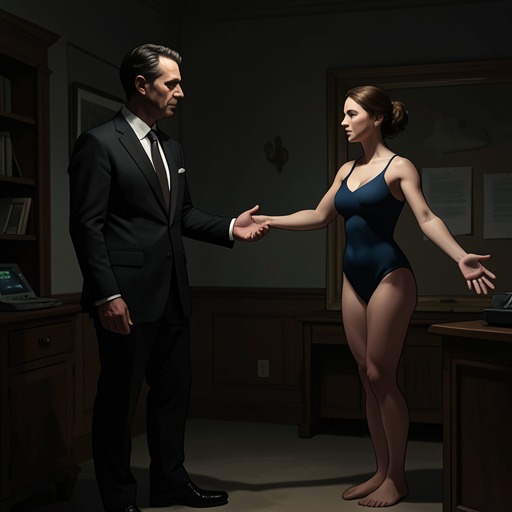
At a subsequent meeting, Patrick explains the portrait business at length while avoiding Tom’s gaze. He describes plans using terms such as democratic, new perspective, and vision. The account is not simply a practical briefing: Patrick hopes his words will help Tom’s large body relax into the worn cushions, or even bore him into submission. The speech gives Patrick a respectable script to follow while he tries to make the encounter feel easy and intimate.
Tom says that he has never been drawn before. Patrick reassures him that he only has to keep still, but then reveals that they have already begun. He says getting acquainted is part of the process and that he will not make sketches for a while. Before translating Tom’s personality into a drawing, Patrick says, they need rapport and a chance to know one another. Tom checks whether this means there will be no drawing that day; Patrick confirms that there will not.
The delay reverses the apparent priorities of the original invitation. A portrait project would ordinarily make drawing the purpose of the sitting, yet Patrick makes conversation and familiarity its necessary first stage. His explanation gives him a plausible reason to continue meeting Tom without immediately producing the work he had proposed. The narrative’s disclosure that the project is fictitious clarifies the discrepancy: the museum language supplies cover for a connection Patrick is actively trying to cultivate.
Recurrence and Narrative Significance
The arrangement becomes recurrent rather than ending with the first agreement. After a meeting, Patrick asks whether they can meet at the same time the following week, and Tom nods. At the door, Tom thanks him by name. Patrick later recalls that hearing Tom say his name seemed like hearing it for the first time. The repeated appointment therefore carries an intimacy that the formal portrait premise conceals: ordinary scheduling and courtesy become charged because they establish a private pattern of contact.
As a remembered episode narrated by Patrick, the scene lets the reader see both the persuasive performance and the feeling that performance serves. Patrick speaks in the language of public access and artistic purpose, but his attention lingers on Tom’s grin, hair, body, and words; his attempts to appear casual repeatedly falter. Tom, by contrast, asks practical questions and accepts the proposal without the same explicit disclosure of feeling. The invitation sets up a continuing relationship through a socially legible activity, while the postponement of drawing shifts the project from making Tom’s image to making room for the two men to know each other.